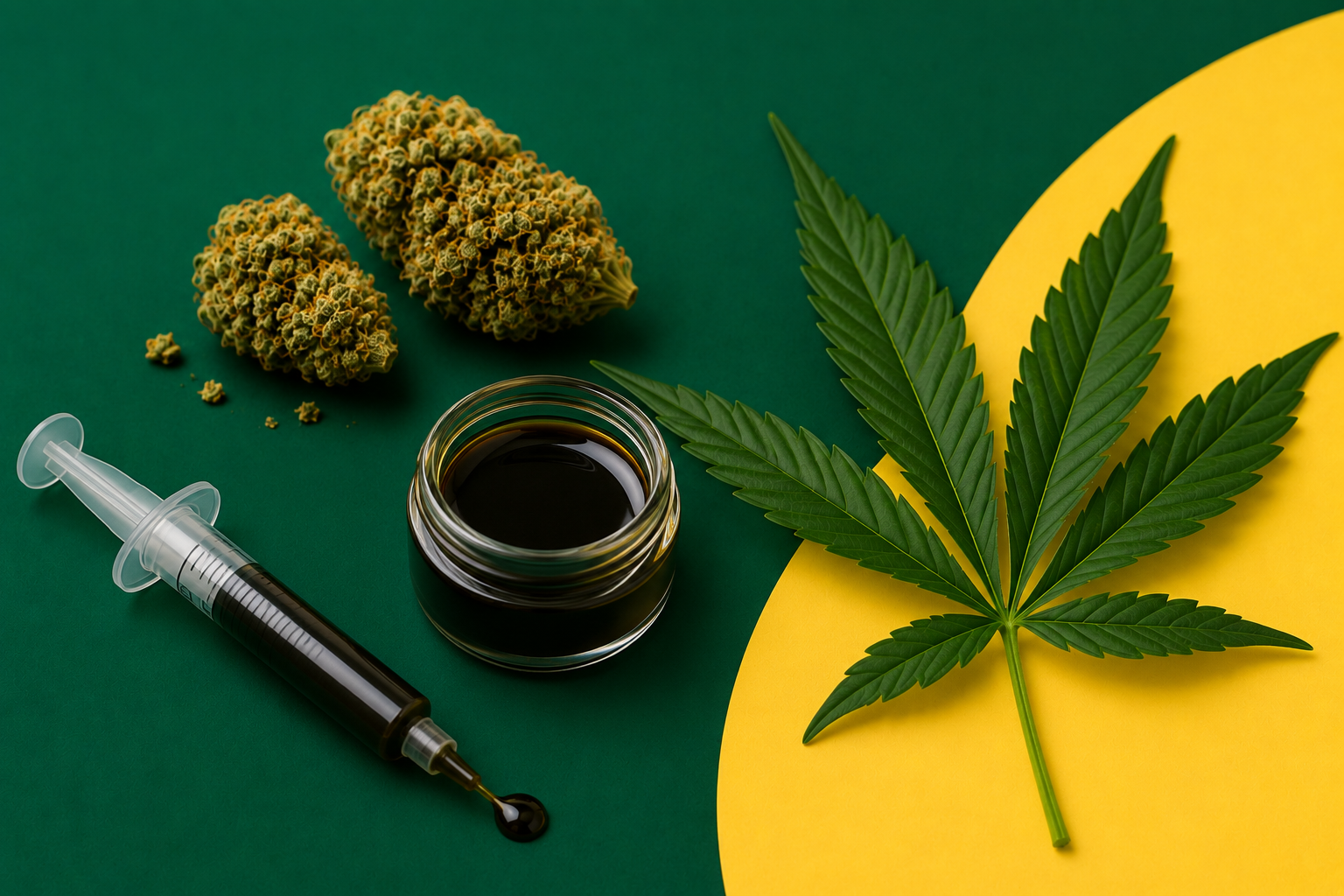
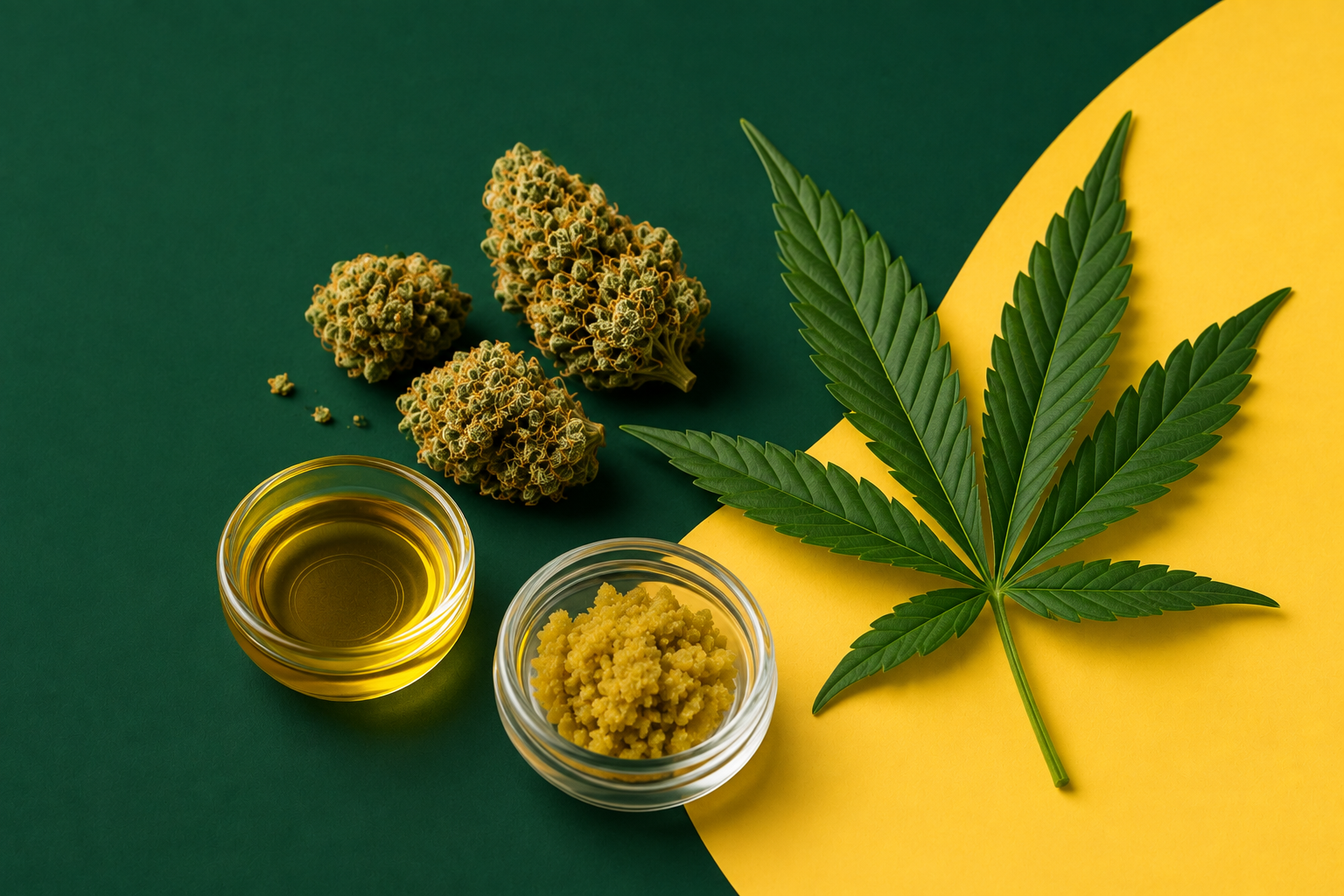
There’s a reason concentrate enthusiasts get excited when they see live resin on a dispensary menu. It’s not marketing language. It’s a fundamentally different product from most other cannabis extracts, built on a process that preserves what the plant actually smells and tastes like in its living state. If you’ve ever opened a jar of live resin and been hit with an aroma that smells more like fresh cannabis than anything you’ve encountered in concentrate form, that’s not a coincidence. It’s the point.
How Live Resin Is Made
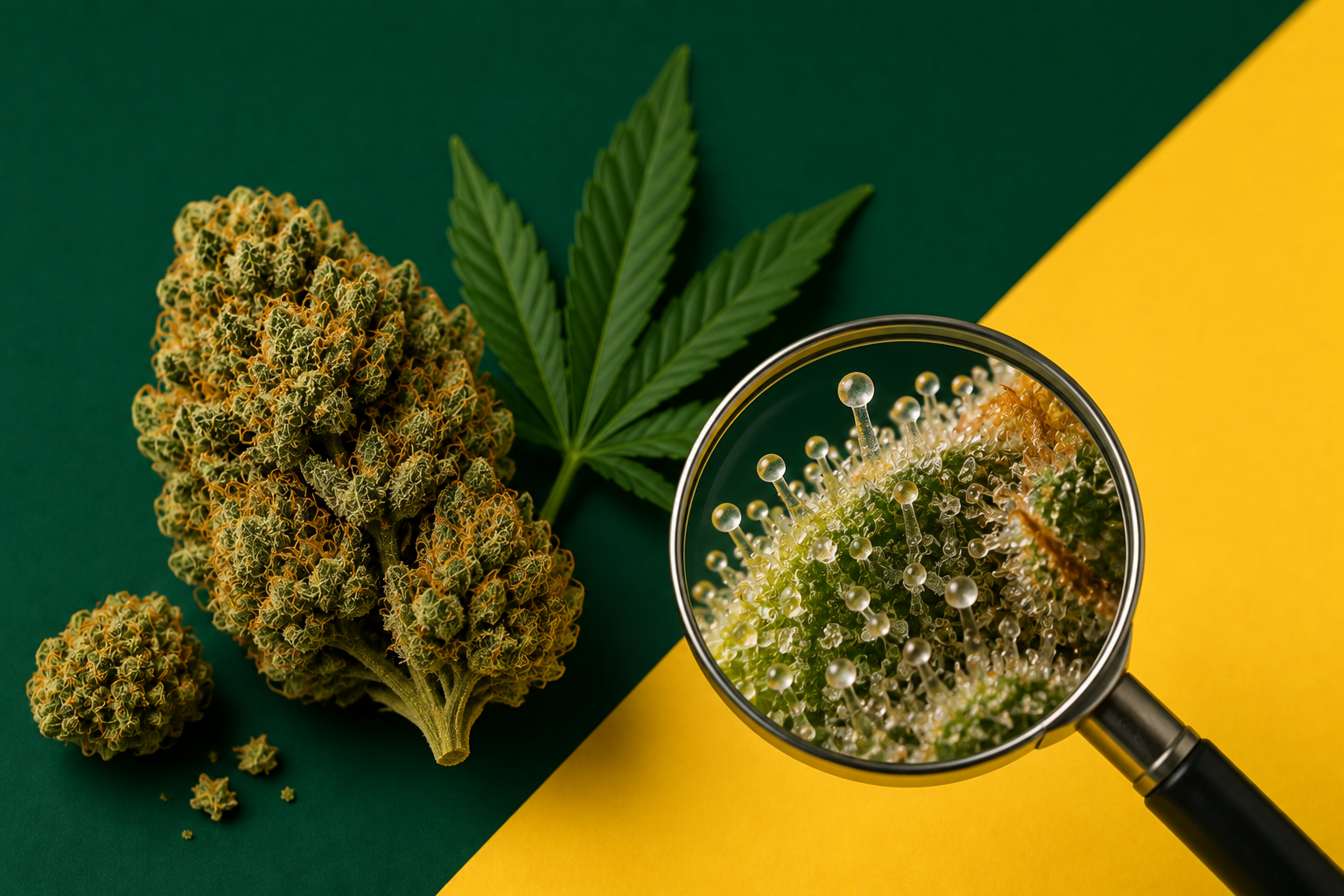
Most cannabis concentrates start with dried and cured flower. The plant gets harvested, hung to dry for days or weeks, and then processed. Drying is standard practice for a good reason — it removes moisture and makes the plant easier to handle. But it also triggers a significant loss of terpenes, the aromatic and flavorful compounds stored inside trichomes. Heat, light, and time all cause terpenes to degrade and evaporate, and by the time cured flower reaches an extraction machine, a meaningful portion of the original terpene profile is already gone.
Live resin takes a different approach. The cannabis plant is harvested and then flash-frozen immediately, usually within hours of being cut. That freezing process, which lowers the plant to temperatures well below zero, locks the trichomes in place and preserves the terpenes before they can degrade. The frozen plant material then undergoes extraction, typically using solvents such as butane or propane, which extract cannabinoids and terpenes from the plant while preserving the chemical profile as intact as possible.
The result is a concentrate that contains a broader, more complete spectrum of the compounds that were present in the living plant. That’s where the name comes from. “Live” refers to the use of fresh-frozen, never-dried cannabis. The resin extracted from it carries a chemical fingerprint that dried material simply can’t replicate.
What Live Resin Looks Like and How It’s Used
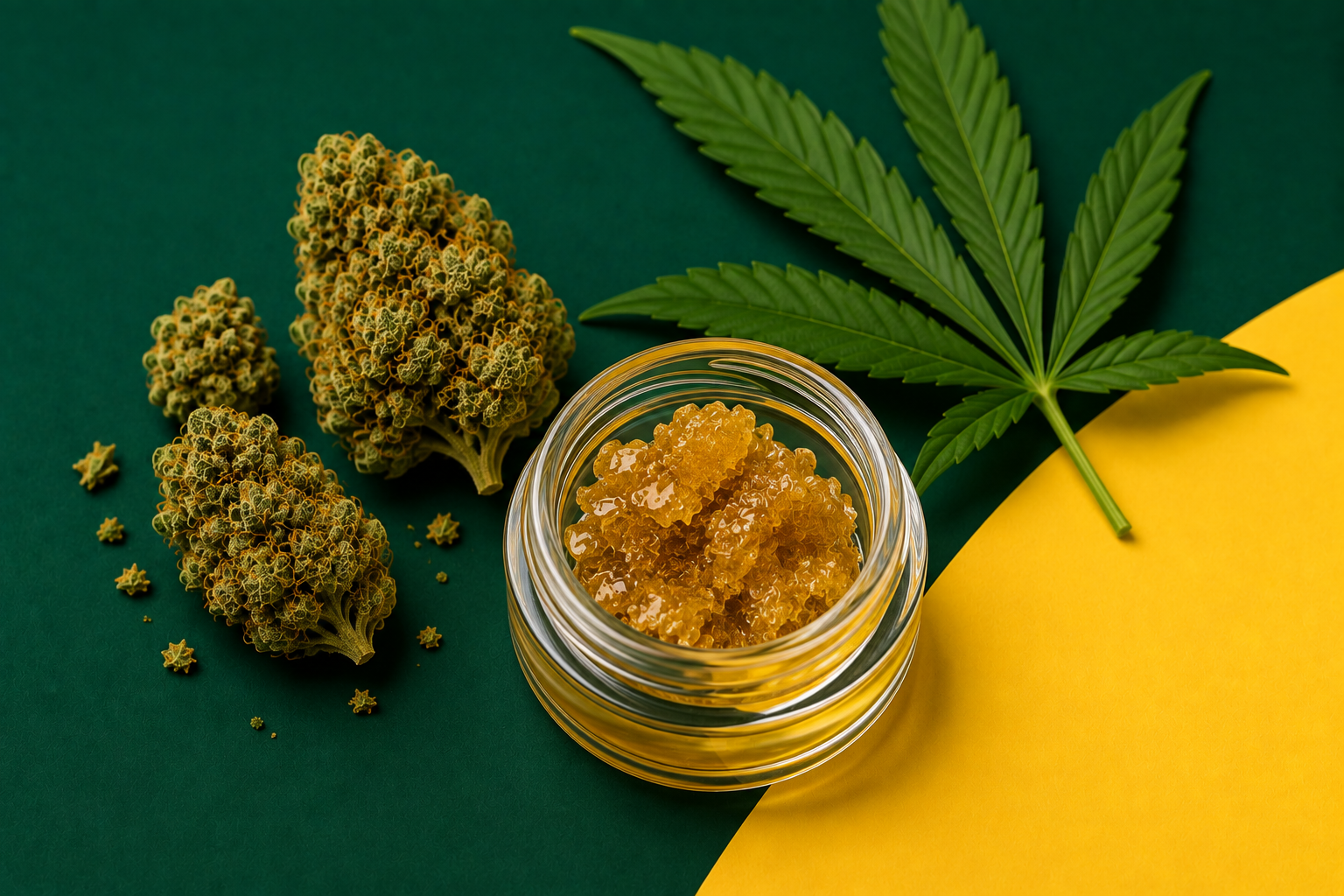
Live resin isn’t a single texture. Depending on the strain, the extraction process, and any post-processing steps, it can range from a sticky, saucy consistency to a more crystalline or waxy form. The most common presentations include:
- Sauce: A wet, terpene-rich consistency with a strong aroma. Often contains visible crystalline structures (THCA diamonds) suspended in a terpene-heavy liquid.
- Sugar: A granular, slightly wet texture that looks like wet sugar crystals. Rich in flavor and common among concentrate newcomers.
- Badder or batter: A creamy, spreadable consistency. Easier to handle than sauce and still terpene-forward.
- Diamonds: Large THCA crystals separated from the terpene sauce. Very high potency, often used alongside sauce for a balanced experience.
Each of these forms can be dabbed using a dab rig and nail, consumed through a vaporizer designed for concentrates, or used in live resin vape cartridges, which have become one of the most accessible entry points into the category. Live resin carts deliver the same terpene-rich profile as traditional live resin, just in a format that doesn’t require extra equipment.
Live Resin vs. Cured Resin
The comparison between live resin and cured resin gets at the core of what makes the live process worth understanding. Cured resin is produced from dried cannabis. The extraction method may be identical, but the starting material has already lost a significant portion of its terpene content during the drying and curing process.
Studies on cannabis terpene retention have found that drying and curing can reduce total terpene content by 50% or more compared to fresh-frozen material, depending on the strain and drying conditions. That’s not a small difference. Terpenes don’t just influence aroma and flavor — they interact with cannabinoids in ways that affect the overall character of the product. A concentrate made from fresh-frozen material and one made from cured material can have meaningfully different profiles even when they come from the same plant.
Cured resin is a legitimate product and has its place, but for consumers who want the most complete expression of a strain’s chemistry, live resin offers a closer-to-the-source experience.
Live Resin vs. Live Rosin
This is a comparison that comes up constantly, and it’s worth getting specific about. Both live resin and live rosin start with fresh-frozen cannabis. That’s where the similarity ends.
Live resin is a solvent-based extract. Butane, propane, or a similar hydrocarbon solvent is used to strip cannabinoids and terpenes from the plant. The solvent is then removed through a purging process, leaving behind the final concentrate. When produced correctly, no solvent residue remains in the finished product.
Live rosin is solventless. It’s produced using heat and pressure — typically applied to fresh-frozen cannabis that’s been processed into bubble hash first. No chemicals are introduced at any point. The extraction is purely mechanical.
The difference matters to consumers for a few reasons. Solventless production is often preferred by people who want to avoid any possibility of solvent exposure, and live rosin is generally considered the premium tier of the concentrate market. It’s also significantly more labor-intensive to produce, which is why it typically carries a higher price point than live resin. Live resin, while solvent-based, is more efficient to produce at scale and often sits at a more accessible price while still offering a terpene-rich profile that most other concentrates don’t match.
Neither is inherently “better” in an absolute sense. Live rosin commands a premium for the solventless process; live resin offers more availability and accessibility. The right choice depends on what you’re prioritizing.
Live Resin THC Content and Potency
This question comes up a lot. Live resin THC content is not necessarily higher than other concentrate formats — the terpene profile is what sets it apart, not an elevated cannabinoid percentage. Live resin typically contains THC levels in the 65–95% range, depending on the form, which is comparable to many other concentrate types. The elevated terpene content is what differentiates the experience, not an unusually high cannabinoid concentration.
Terpenes interact with cannabinoids in what researchers refer to as the entourage effect, a term for the way cannabis compounds appear to work together rather than in isolation. Live resin with a rich, intact terpene profile has a more complete chemical composition than a concentrate with identical THC numbers but a stripped-down terpene profile.
Why Live Resin Costs More
The price premium of live resin over standard concentrates comes down to logistics and starting material. Flash-freezing fresh cannabis immediately after harvest requires cold storage infrastructure that many standard extraction operations don’t maintain. The fresh-frozen material must also be processed in its frozen state, adding complexity to the extraction process.
On top of that, fresh cannabis contains significantly more water than dried material, which can complicate solvent-based extraction and requires more precise process management. Producers who do it well invest in equipment and expertise that gets reflected in the final price.
If you’re comparing live resin to distillate cartridges at your local dispensary, the cost difference often reflects the difference in starting material, process complexity, and resulting terpene content. At The Botanist, the staff can walk you through the specific products available and help you weigh format and price against what you’re actually looking for.
Is Live Resin Better Than Other Concentrates?
“Better” is a product question that depends entirely on what you value. Live resin is the right choice when terpene preservation and strain-specific character matter to you. It’s the concentrate format closest to how the living plant actually smelled and tasted, and for consumers who care about that dimension of the experience, nothing else delivers it as consistently.
For consumers focused purely on maximum THC content, distillate or diamonds may be more relevant. For consumers who want solventless production, live rosin is the move. For someone new to concentrates who wants something approachable and flavorful without a significant investment in equipment, a live resin vape cartridge covers a lot of ground.
What live resin does particularly well is bridging the gap between the complexity of traditional flower and the potency of concentrate formats. You get something that tastes and smells like a real, specific strain while delivering the concentration that makes extracts worth exploring in the first place.
What Live Resin Weed Products Look Like on a Menu
When you see live resin on a dispensary menu, it’ll typically be listed with the strain name, the form (sauce, badder, sugar, etc.), the producer, and the cannabinoid percentages. Unlike distillate, which is often strain-agnostic because the terpenes have been removed and sometimes artificially added back, live resin products are closely tied to their source strain. The terpene profile you’re getting is largely the one the plant produced.
This means reading a live resin label is more like reading a flower label than a standard concentrate label. The strain matters. The producer matters. Two live resin sauces from different cultivators using the same strain can taste and feel noticeably different based on grow practices, harvest timing, and processing precision.
If you’re exploring the concentrate section for the first time and feeling uncertain about where to start, live resin in cartridge form is generally the lowest-barrier-to-entry option. It requires no extra equipment and delivers a meaningfully upgraded experience compared to standard distillate carts.
Understanding what live resin actually is, how it’s made, and what sets it apart from other concentrates gives you a real framework for evaluating what you’re getting. The label tells you the numbers; knowing the process tells you why they matter.