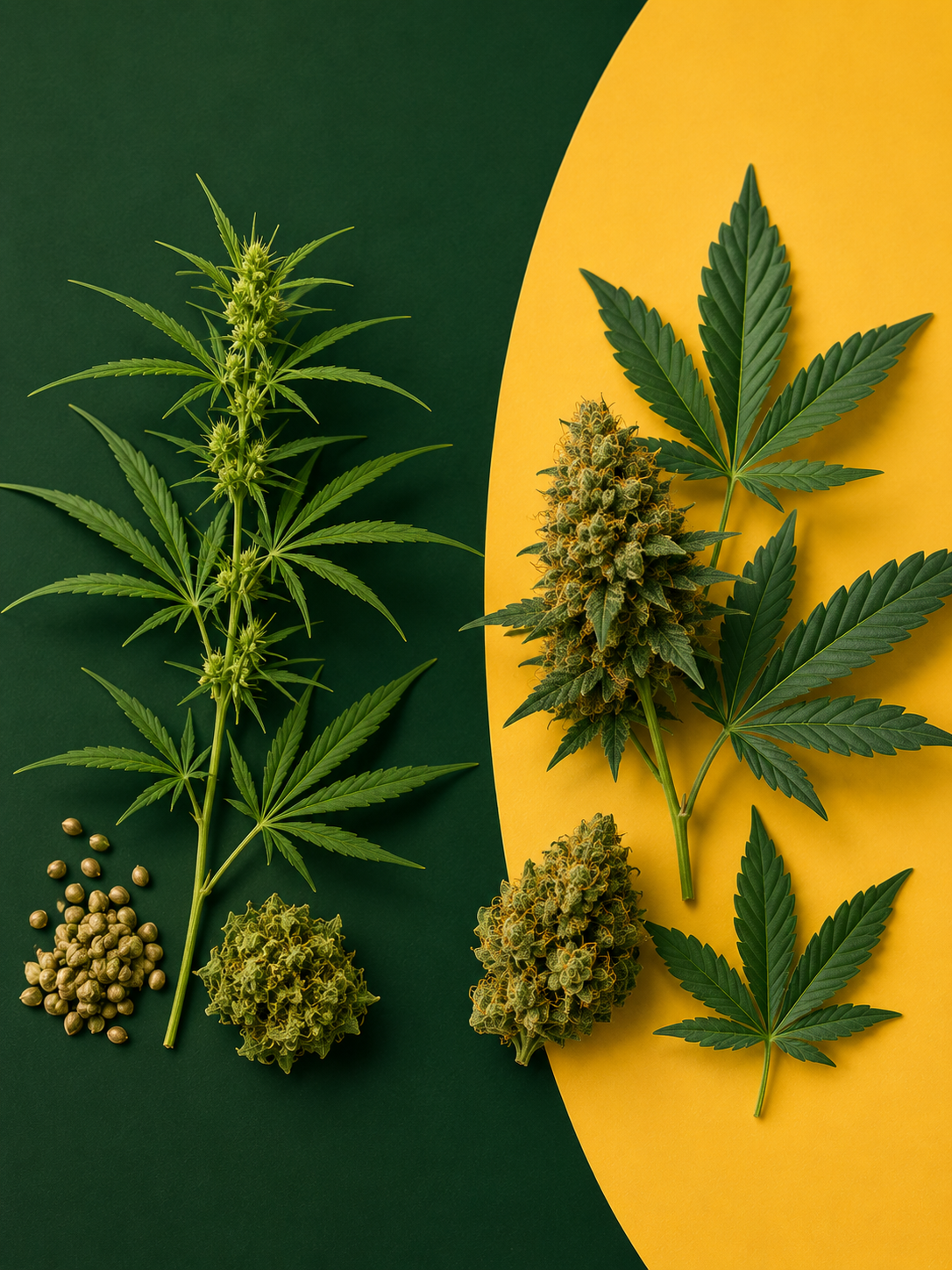
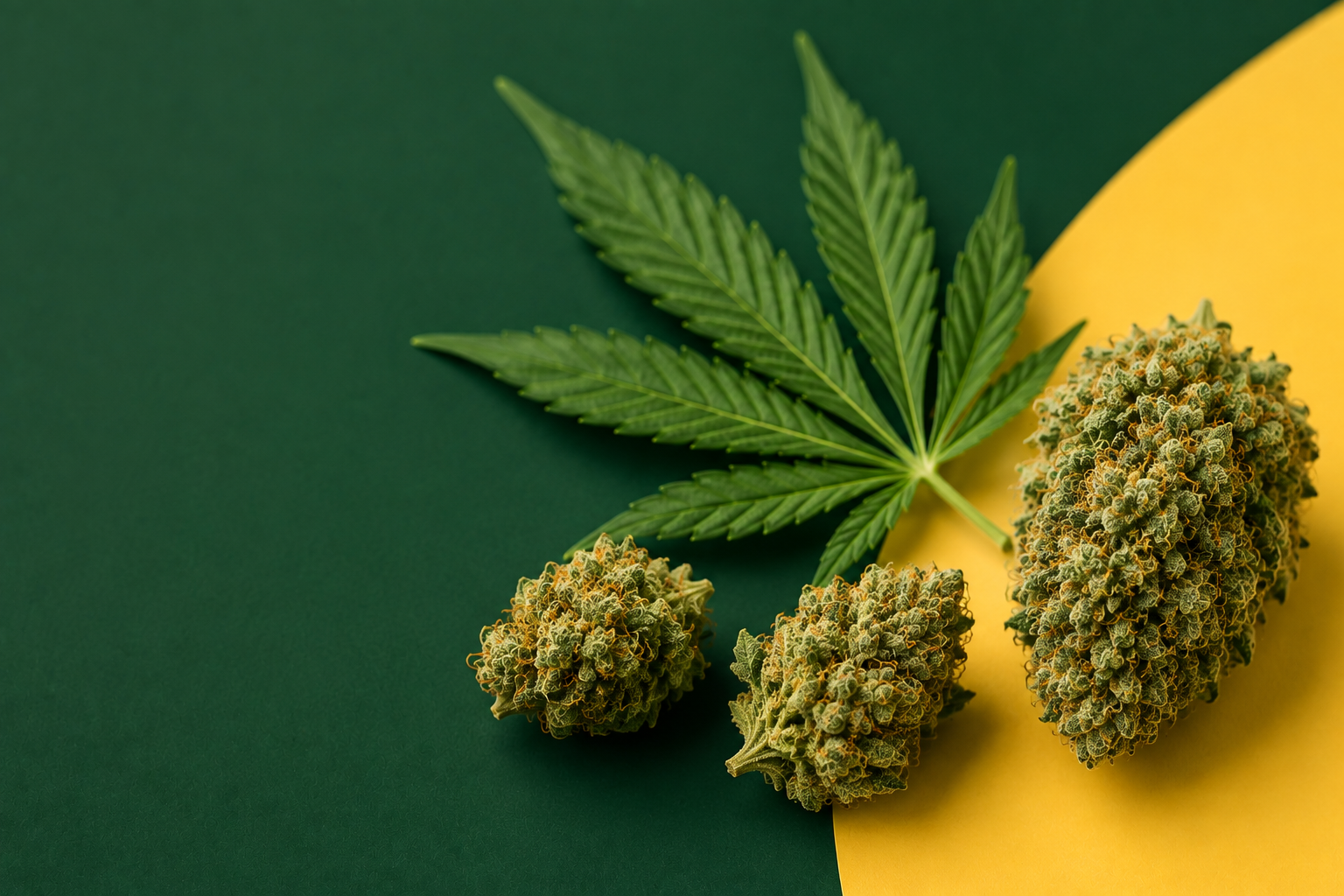
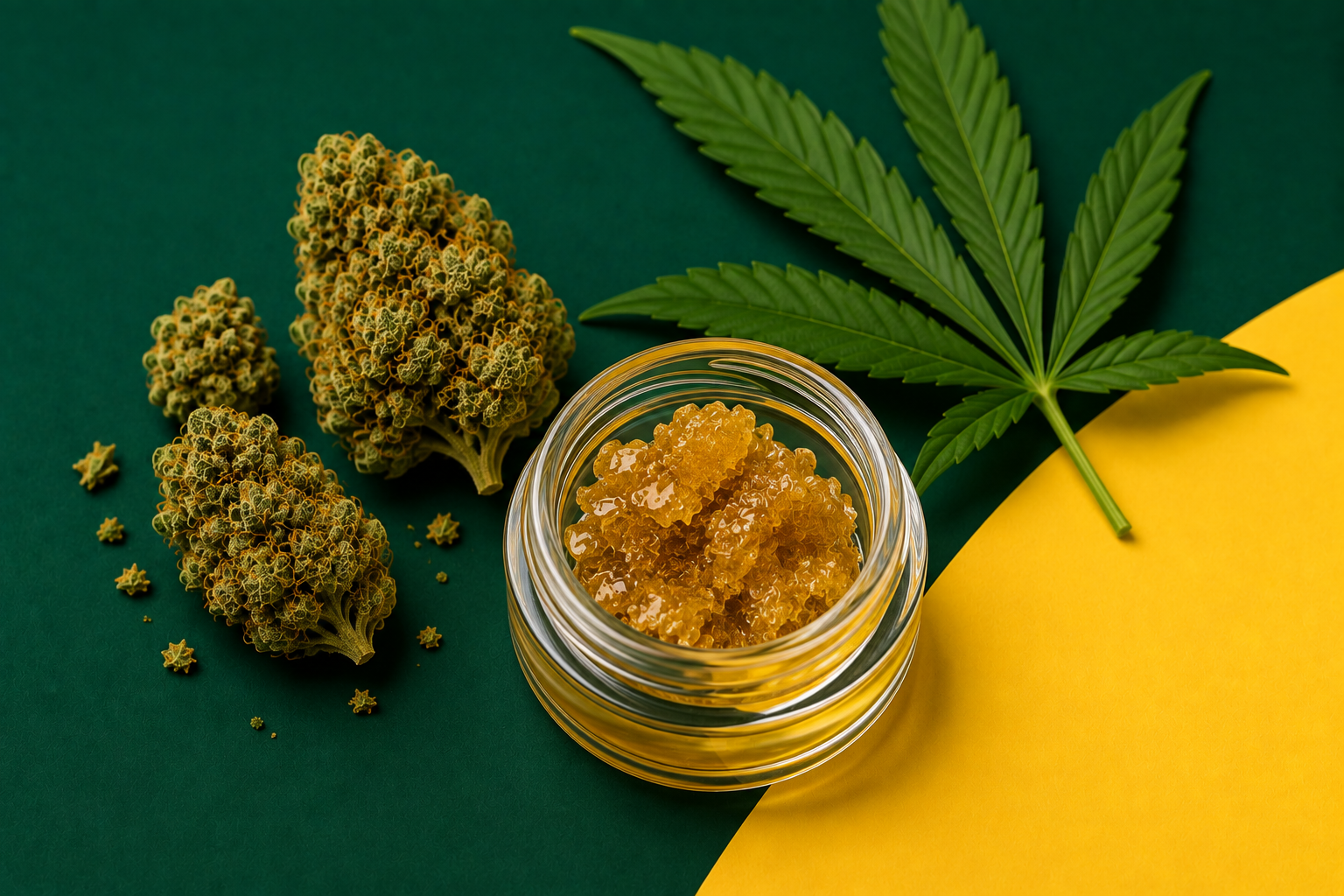
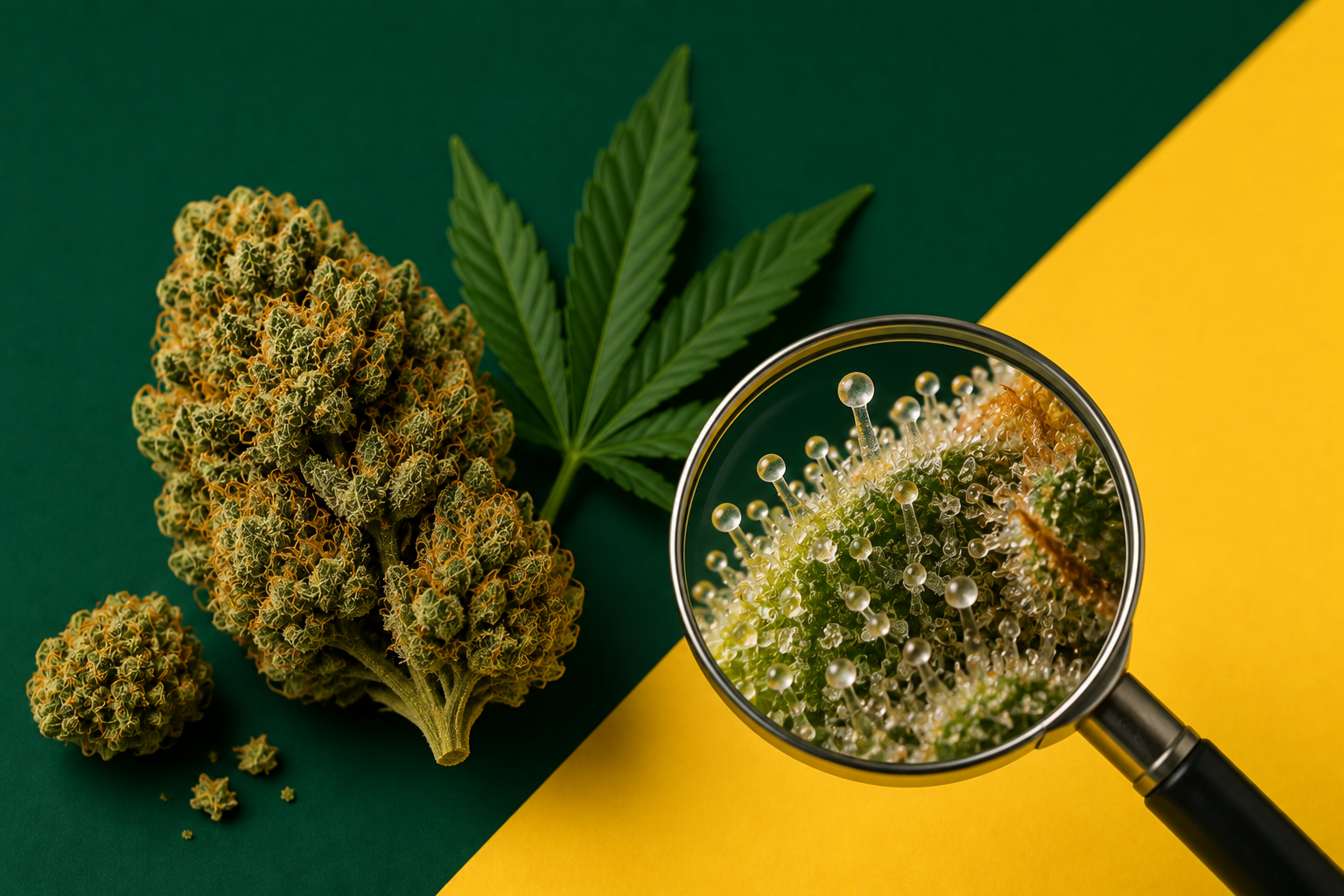
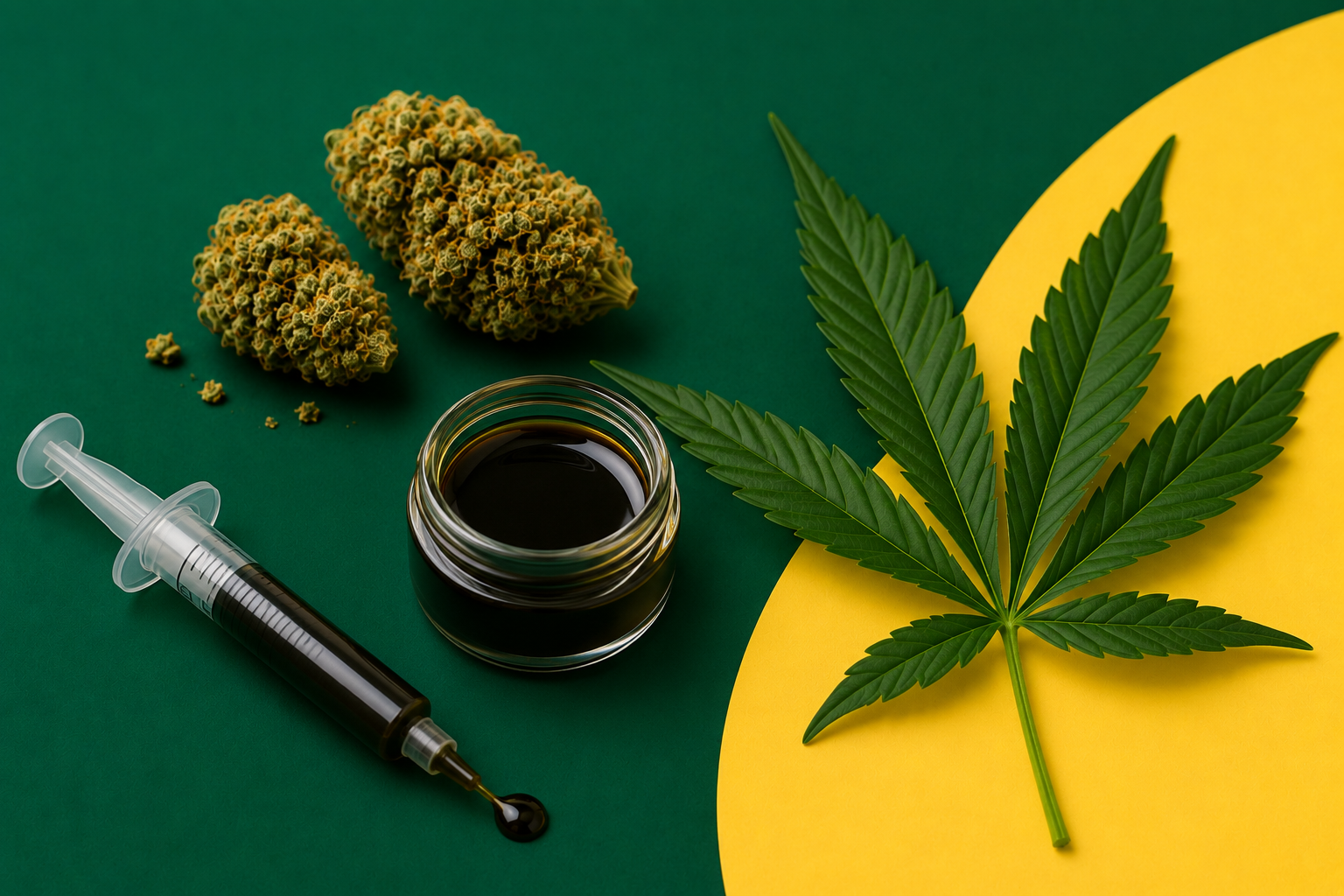
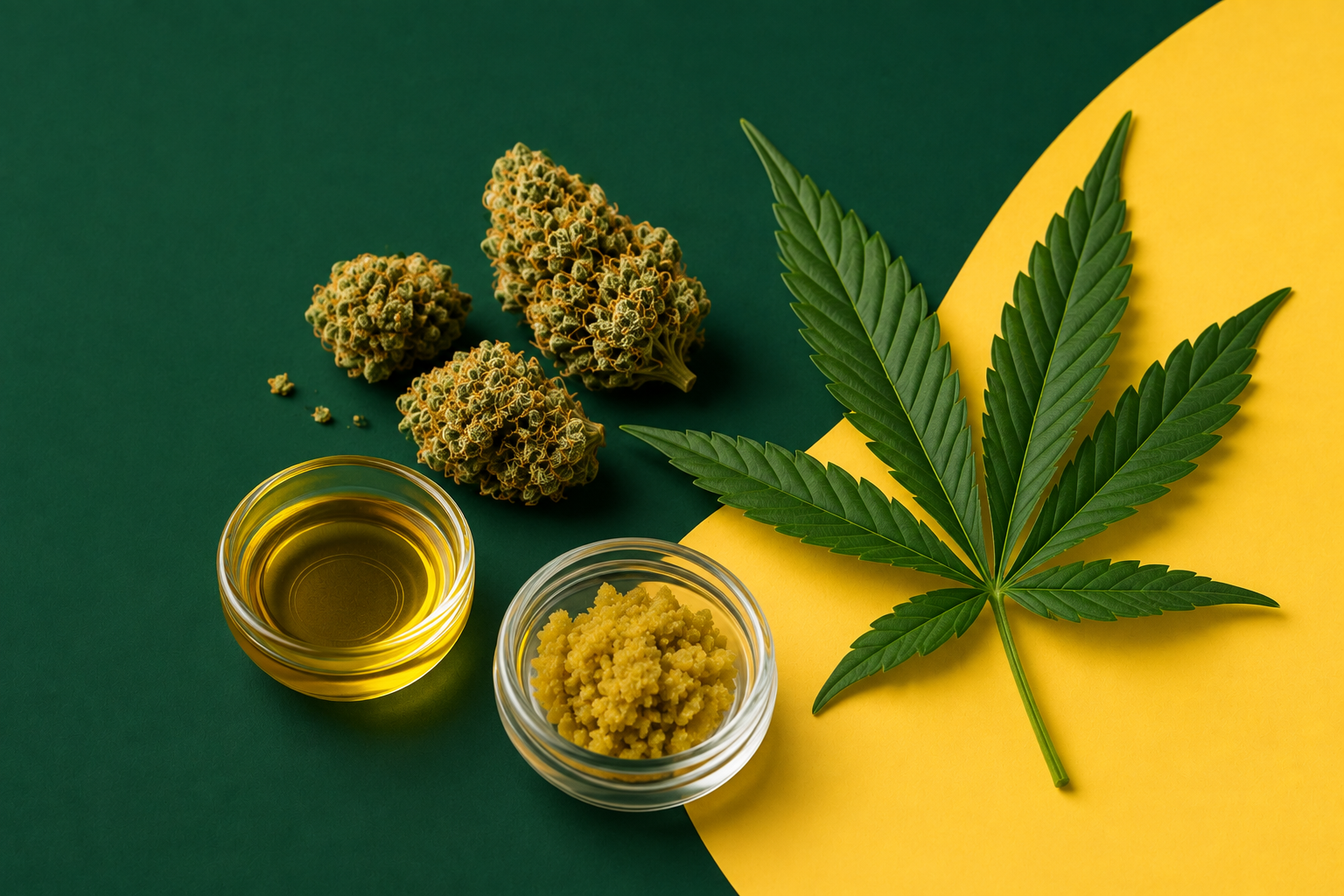
Look closely at a well-grown cannabis flower, and you’ll notice it’s covered in a fine, crystal-like coating that almost seems to sparkle. Those aren’t just for show. That glittery layer is made up of cannabis trichomes, and they’re responsible for virtually everything that makes cannabis cannabis — the potency, the aroma, the flavor, and the sticky resin that concentrates are built from.
If you’ve ever wondered why two flower products with similar THC percentages can feel so different in character, trichomes are a big part of the answer.
The Biology Behind Trichomes
At their most basic, trichomes are tiny, hair-like structures that grow on the surface of the cannabis plant. The word comes from the Greek “trichoma,” meaning “growth of hair.” But calling them hairs undersells what they actually are: specialized glands that synthesize and store the compounds that define cannabis.
Cannabis trichomes are the exclusive production sites for cannabinoids like THC and CBD, as well as terpenes — the aromatic molecules responsible for how a strain smells and tastes. Without trichomes, a cannabis plant would be little more than an unremarkable green plant. Every concentrate, every infused product, every kief-dusted bowl traces back to these microscopic structures.
From an evolutionary standpoint, the plant didn’t develop trichomes for our benefit. Researchers believe the resin they produce serves as a natural defense system, deterring insects and herbivores, protecting against UV radiation, and potentially inhibiting the growth of competing fungi and bacteria.
A 2021 study published in Science Advances identified the specific cells within trichomes responsible for cannabinoid biosynthesis, confirming that the glandular trichome head is where the real chemical action happens.
The Three Main Types of Cannabis Trichomes
Not all trichomes are the same, and the differences matter more than most people realize.
Bulbous trichomes are the smallest of the three types, ranging from 10 to 15 micrometers — far too small to see with the naked eye. They appear across the entire surface of the plant and produce only trace amounts of cannabinoids. They’re part of the plant’s overall resin system, but they’re not the heavy lifters.
Capitate sessile trichomes are a step up in size, featuring a small stalk topped by a rounded head. These appear more densely than bulbous trichomes and contain higher concentrations of cannabinoids and terpenes, but they still play a supporting role compared to the third type.
Capitate stalked trichomes are what most people picture when they think about trichomes. These are the largest and most abundant on mature cannabis flowers, measuring between 50 and 100 micrometers — just barely visible to the naked eye as a frosty sheen. They have a distinct mushroom-like shape: a long stalk topped by a bulbous, resin-filled head. This head is where cannabinoids and terpenes are synthesized and concentrated in the highest quantities. When growers and consumers talk about trichome quality, they’re almost always referring to capitate stalked trichomes.
Trichomes and Potency: What’s the Connection?
Here’s where trichomes, explained in purely visual terms, start to get genuinely useful. Trichome density and development are among the strongest indicators of a flower’s potency and aromatic richness. A flower that’s heavily frosted with mature trichomes has had the opportunity to produce and accumulate maximum cannabinoid content. A flower that looks dry, dull, or barely coated hasn’t.
This is why experienced consumers often look beyond the THC number on a label. A dense trichome coating, intact gland heads, and a pungent, complex aroma all suggest that the plant was grown well, harvested at the right time, and handled carefully post-harvest. One customer who visited The Botanist put it simply: “I stopped picking based on THC percentage alone once someone explained trichomes to me. Now I look at the flower itself, and the quality difference is obvious.”
Trichomes and potency are closely linked, but there’s a nuance worth understanding: the ratio of THC to CBD and the specific terpene profile also live inside these glands. That’s why two strains with identical THC readings can have very different characters. The full chemical composition stored in the trichome head is what creates those differences.
Trichome Development Stages
Cannabis trichomes don’t appear all at once, and they don’t stay the same throughout the plant’s life cycle. Understanding the trichome development stages gives growers and consumers a clearer picture of how potency evolves.
Early in the flowering stage, trichomes begin forming as tiny, clear structures. At this point, cannabinoid production is just getting started, and the concentrations inside the gland heads are minimal. Harvesting at this stage would yield low-potency flower — something most growers actively avoid.
As the plant continues through flowering, trichomes transition from clear to milky white (also described as cloudy or opaque). This signals that THC production has peaked. Milky trichomes indicate maximum THC concentration, which is why growers often target this window focused on potency.
The final stage involves trichomes turning amber. This color shift happens because THC is beginning to degrade into CBN (cannabinol), a different cannabinoid with distinct properties. An amber-dominant trichome profile suggests the plant is past peak THC content. Some growers intentionally harvest here to capture a different cannabinoid ratio, but it’s not the default choice for potency-focused production.
In practice, most cultivators aim for a mix of milky and amber trichomes at harvest — typically around 70% milky and 30% amber — as a way to balance peak potency with a degree of natural cannabinoid diversity. Harvesting with clear trichomes means leaving most of the potential potency on the plant, which is why timing matters so much.
Are Trichomes Visible to the Naked Eye?
Capitate stalked trichomes are technically visible without magnification, but only as a collective, frost-like coating rather than individual structures. To actually examine trichome color and health, a jeweler’s loupe (30–60x magnification) or a digital microscope is standard among serious growers and concentrate producers. At that level of detail, you can see the individual stalks and heads, assess their color, and determine whether the heads are intact or have been damaged by rough handling or improper storage.
Trichome heads are fragile. Heat, light, friction, and improper humidity can all degrade them. This is why high-quality flower is typically stored in airtight containers away from direct light, and why rough handling during processing reduces the final product’s quality. When you open a fresh jar of well-stored flower and catch that sharp, layered aroma, that’s the volatile terpenes still intact inside the trichome heads doing their job.
How Trichomes Relate to Kief and Concentrates
Kief is the most straightforward example of trichomes in a separated form. When dried cannabis is sifted through fine mesh screens, the trichome heads break free from the plant material and collect as a fine, golden-to-greenish powder. Because kief is essentially pure trichome heads, it’s considerably more potent than the flower it came from. A gram of flower might contain 20–30% THC; the kief collected from the same flower could exceed 50%.
From there, the logic extends directly into concentrate production. Hash, rosin, live resin, and other extracts are all, at their core, methods of isolating and concentrating what’s inside the trichome. Live resin, for instance, is produced from freshly frozen cannabis specifically to preserve trichome integrity and terpene content. The freezing process prevents the terpene degradation that occurs during traditional drying, resulting in a concentrate with a richer, more complete aromatic and chemical profile.
If you’re exploring the range of flower, kief, and concentrate options available, The Botanist carries a wide selection across formats and potency ranges, with staff who can walk you through what sets one product apart from another.
What Good Trichomes Look Like
Knowing what to look for gives you a practical edge when evaluating flower. Good trichomes should appear abundant, intact, and glossy. Under magnification, the gland heads should be clearly defined and attached to their stalks, not broken off or flattened. The color should match your target stage — clear for early-stage, milky for peak THC, amber for a more aged profile.
Flower that’s been stored poorly often has compromised trichomes. The frost may look dull or sparse rather than shimmering, and the aroma will be flat because terpenes have already volatilized. Crumbly, dry flower with no detectable scent has usually lost much of its trichome integrity, regardless of what the label says.
On the other hand, a dense, fragrant flower with a visible coating of intact trichomes tells you a lot about the care put into growing, harvesting, and preserving it. That’s the standard worth knowing, because once you understand what cannabis trichomes actually are and what they do, evaluating quality becomes a much more informed process.