What Is RSO? A Practical Guide from The Botanist
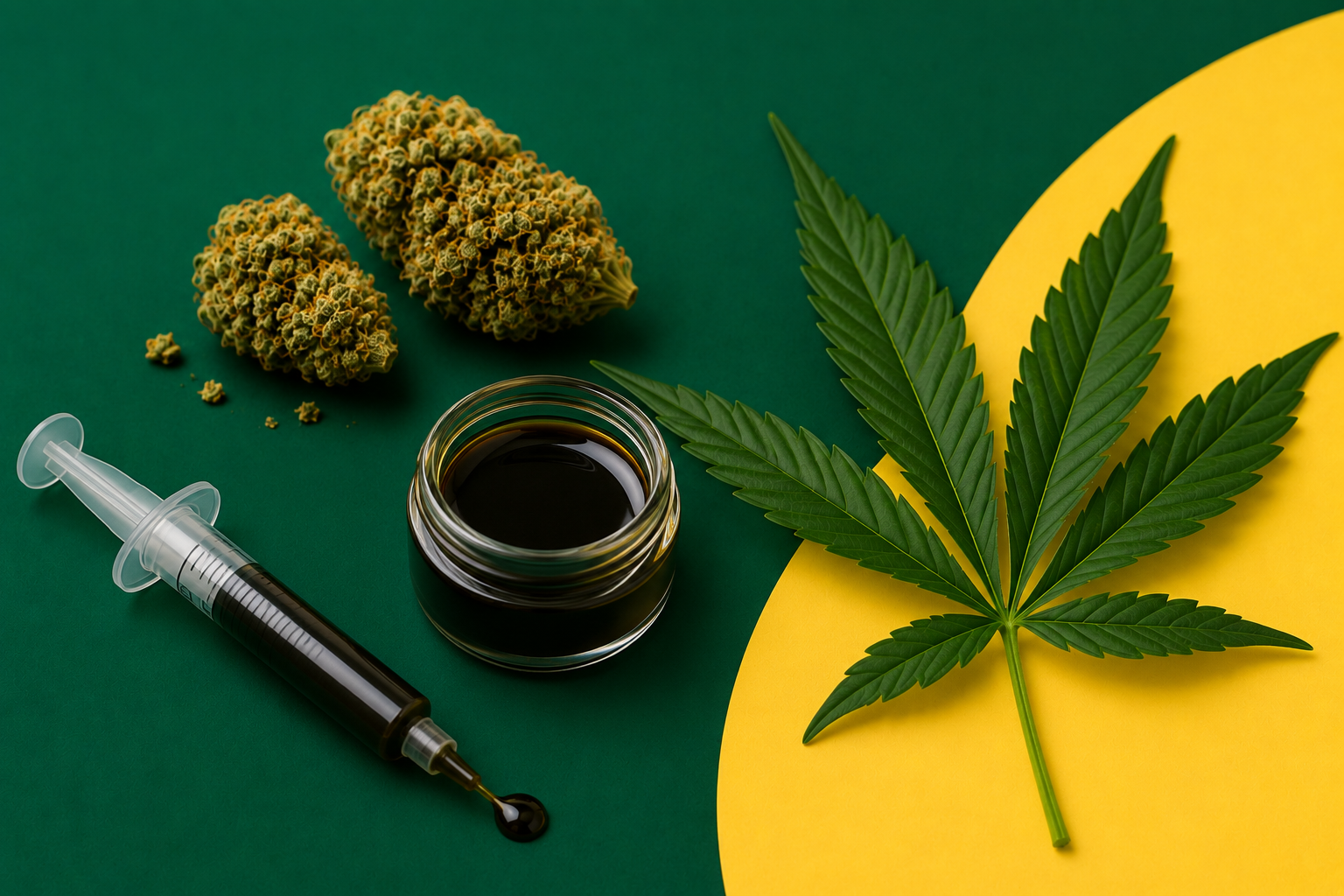
At The Botanist, we see Rick Simpson Oil, usually shortened to RSO, come up in a very specific way. Someone has heard it is “strong” or “full-spectrum.” Then they pick up a syringe-style applicator and realize they are looking at a thick, dark oil that looks nothing like a gummy or a vape.
RSO is one of the more concentrated cannabis product formats on the market, which means it is also one of the easiest to misjudge if you are not familiar with how it is measured and used. In this guide, we’ll explain what RSO is, how it differs from other formats, how people typically use it, and what to know about serving size and storage.
RSO meaning, in plain language
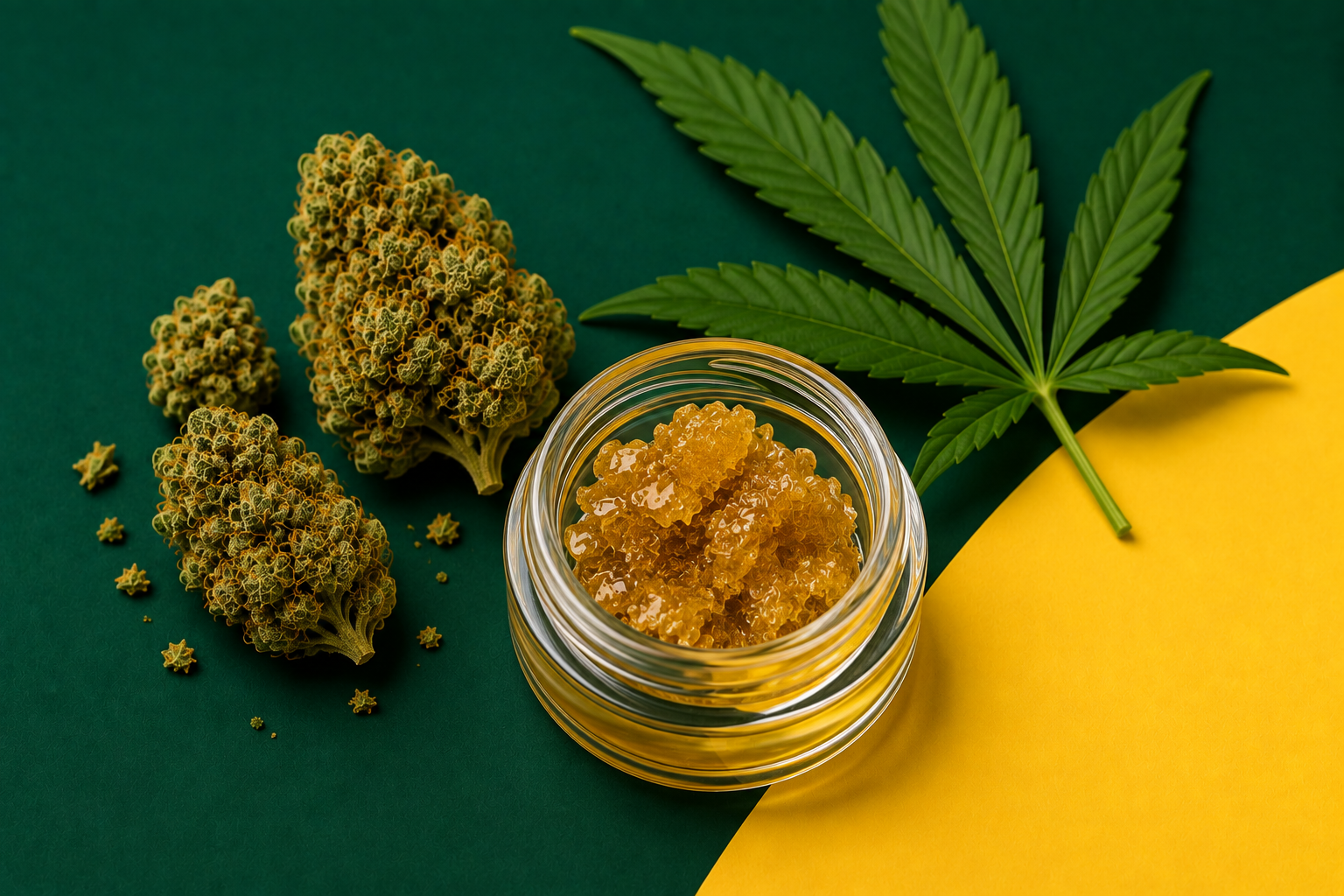
“RSO (Rick Simpson Oil) is a highly concentrated, full‑extract cannabis oil, usually made from whole cannabis plant material, that is typically high in THC and often sold in a syringe‑style applicator for easier measuring and dispensing.
People also call similar products ‘full extract cannabis oil’ (FECO), and in dispensaries you’ll often hear RSO and FECO used interchangeably. Strictly speaking, both are full‑extract oils, but some producers distinguish them by the solvent and process they use—for example, ethanol‑based FECO versus other solvent‑based RSO.
The important takeaway is that RSO is not a dab, a vape cartridge, or a typical diluted tincture. It is a thick, concentrated cannabis oil intended to be used in very small, measured servings.
Why it is called Rick Simpson Oil
RSO is named after Rick Simpson, a Canadian cannabis advocate who popularized a particular style of full-extract cannabis oil.
What makes RSO different from other cannabis products?
RSO stands out for three reasons.
First, it is very concentrated. Many RSO products list high cannabinoid percentages on the label, and education sources commonly describe it as a potent concentrate—often in the same range as other strong extracts, though exact potency depends on the specific product.
Second, it is ‘whole‑plant’ in style. RSO is commonly described as a full‑spectrum or full‑extract oil, meaning it is produced to retain a broader mix of naturally occurring cannabinoids and other plant compounds than highly refined isolate products.
Third, it is dispensed in tiny amounts. Unlike a gummy where one piece is a serving, RSO is measured in very small portions.
RSO vs FECO vs distillate, why the names get confusing
You may see products labeled RSO, FECO, or simply “full-spectrum oil.” The terms are not always used consistently across brands.
In general dispensary language:
RSO and FECO usually refer to full‑extract oils made by soaking cannabis in a solvent and evaporating it, producing a thick oil that preserves many of the plant’s cannabinoids and other compounds.
Distillate is typically more refined and often higher in THC percentage, with many of the original plant compounds removed and sometimes reintroduced later.
Some sources differentiate FECO and RSO by solvent and process—for example, FECO is often described as ethanol‑based, while RSO has historically been made with other high‑proof solvents—so it’s important to check how each brand defines these terms.
How do people use RSO?
RSO is commonly used in a few ways, depending on the product directions.
- Oral use (swallowed): Many people place a small, measured amount on food or inside an empty capsule and swallow it.
- Sublingual use (under the tongue): Some people place a small amount under the tongue, following the product’s directions.
- Topical use (on the skin): Some products are formulated for topical application; always follow the specific instructions on your package.
Why do people choose RSO?
At The Botanist, we most often see people choose RSO for a few format-related reasons:
- Concentration in a small serving. Consumers who want a compact, measured format sometimes prefer RSO over inhalable products.
- Whole-plant profile preference. Some people prefer full-spectrum products, which retain more of the plant’s natural compound mix compared to highly refined THC-only formats.
- Serving size and product measurement. Because RSO is concentrated, product labeling and packaging are designed around very small measured amounts.
Many dosing guides recommend starting with a very small amount—often described as roughly the size of a grain of rice and following the product’s labeled serving information closely.
A practical approach for anyone new to the format:
- Start with the smallest labeled amount.
- Use a consistent measuring method, such as the markings on the applicator.
- Keep notes on the amount used per session.
Because the product is concentrated, small measurement differences matter more than they would with a more diluted product.
How to choose an RSO product that fits your goal
When someone asks us for RSO at The Botanist, we try to make the decision less random by asking a few questions.
- Do you want a product that’s THC-dominant, or a balanced THC:CBD option?
- What serving size and applicator style do you prefer?
- Do you want a specific cannabinoid ratio on the label?
From there, we look at the cannabinoid information on the label and talk through serving size and applicator use. Availability of specific ratios varies by market.
Storage and handling
RSO is thick and sticky. It also can become more or less viscous depending on temperature. Keep it sealed, store it away from heat and light, and keep it out of reach of children and pets.
Because it is concentrated, we recommend using a consistent method for dispensing and taking notes rather than improvising.
Quick questions we get about RSO
Is RSO the same as a tincture?
Is RSO the same as a dab?
What’s the difference in format from an edible?
Here’s our quick answer
Tincture: Not usually. Many tinctures are diluted and measured by dropper, while RSO is typically a much more concentrated oil that’s dispensed in very small portions using an applicator.
Dab: Not exactly. Dabs are concentrates designed for inhalation with specialized equipment, while RSO is most commonly used orally or sublingually; always follow the product labeling for the intended use.
Edible: RSO taken orally can be placed on food or in a capsule, similar in method to some edibles, but it is usually more concentrated per unit volume, so labeled serving sizes are much smaller than a typical single gummy or baked edible.
If you’re curious about RSO, tell us what format and cannabinoid ratio you’re looking for, and at The Botanist, we’ll help you choose a product and walk you through how to measure and store it.