Walk into any pharmacy or grocery store today, and you’ll find shelves stocked with CBD products derived from hemp. Drive a few miles to a licensed dispensary, and you’ll find cannabis flower, concentrates, and edibles that are regulated entirely differently, even though they come from the same plant species. Hemp vs marijuana is one of the most searched topics in cannabis, and the confusion is completely understandable — because at a botanical level, these plants are closer relatives than most people realize. What separates them legally, chemically, and practically is both simpler and more nuanced than most quick explanations let on.
Getting this distinction right matters for more than trivia. It affects what you can legally possess, what products you’re actually buying when you pick up a CBD tincture, and how the two plants are grown, regulated, and used across entirely different industries.
Same Species, Different Chemistry
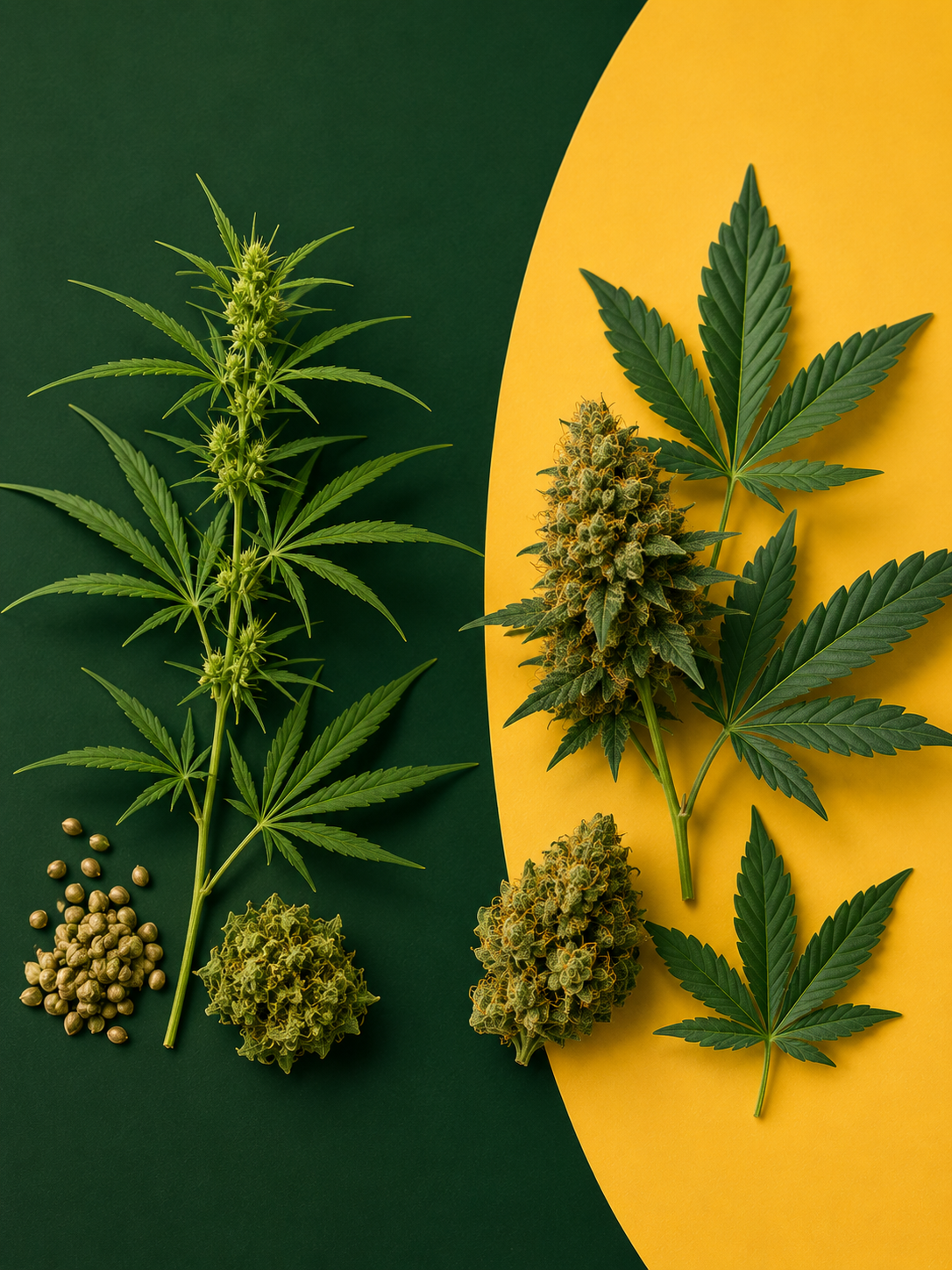
Both hemp and marijuana are varieties of Cannabis sativa L., classified based on chemical profile rather than species. That’s not a technicality — it’s the foundational fact that makes this whole conversation necessary. They belong to the same genus and species; they can look similar as they grow, and they produce many of the same compounds. The difference between hemp vs marijuana is not about plant species; it’s about cannabinoid concentration, and specifically about THC.
THC, or tetrahydrocannabinol, is the primary psychoactive compound in cannabis. It’s the compound the law uses to distinguish hemp from marijuana. Hemp plants produce very low concentrations of THC, while marijuana plants are cultivated specifically to produce higher concentrations. That chemical difference is what the law uses to draw a line between them.
Under the 2018 Farm Bill, the federal legal definition in the United States establishes that hemp is any Cannabis sativa plant containing 0.3% THC or less by dry weight. Any cannabis plant testing above that threshold is legally classified as marijuana and regulated as a controlled substance at the federal level. That 0.3% figure isn’t derived from a complex scientific threshold for psychoactivity — it’s a regulatory cutoff chosen to create a clear legal boundary. A plant at 0.29% THC is federally legal hemp; the same plant at 0.31% THC is a controlled substance.
The Public Health Institute has documented the regulatory complexity this creates, noting that the distinction between hemp and marijuana exists primarily in law rather than in strict botanical terms.
Hemp vs Marijuana THC Content: What the Numbers Mean
Understanding the THC threshold helps clarify why hemp and marijuana are treated so differently under the law. At 0.3% delta-9 THC or below, hemp is not intended to produce intoxicating effects. However, many hemp products contain THCA (tetrahydrocannabinolic acid), which converts to THC when heated. In those cases, certain hemp products can convert to standard THC upon heating, despite meeting the legal definition of hemp.
While traditional hemp products stay under the legal THC threshold, some modern hemp flower products can convert to significant THC levels due to this THCA conversion, making the distinction less clear in practice than it appears in law.
Marijuana cultivated for consumer use typically contains anywhere from 10% to 30% THC or higher, representing a concentration difference of dozens to hundreds of times what’s found in hemp.
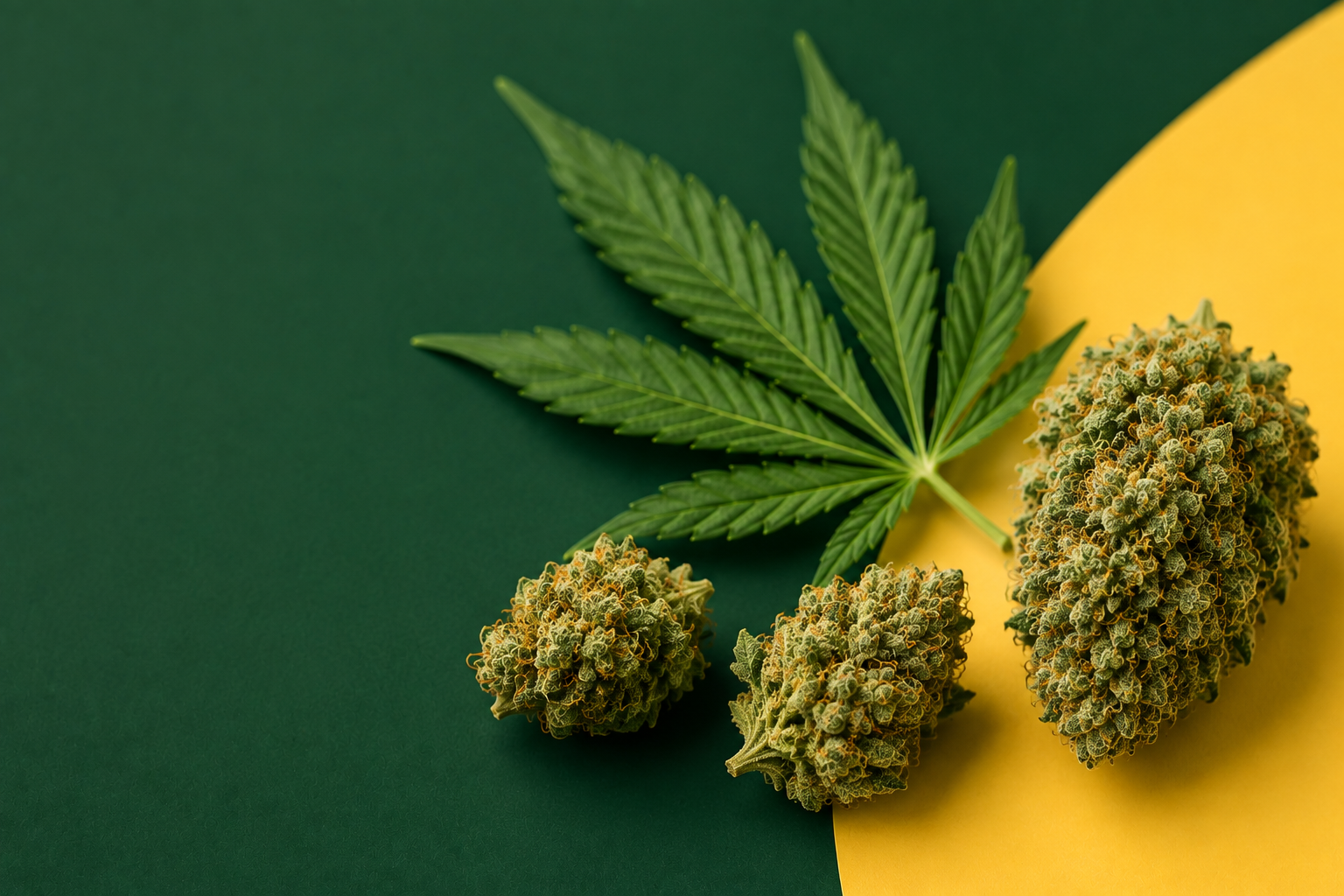
This isn’t a gray area. Even consuming large quantities of hemp flower, which looks nearly identical to marijuana flower, would not cross into standard THC concentrations. The THC content is too low. What hemp does contain in meaningful quantities is CBD — cannabidiol — along with other cannabinoids and terpenes that are present in marijuana as well, just in different ratios.
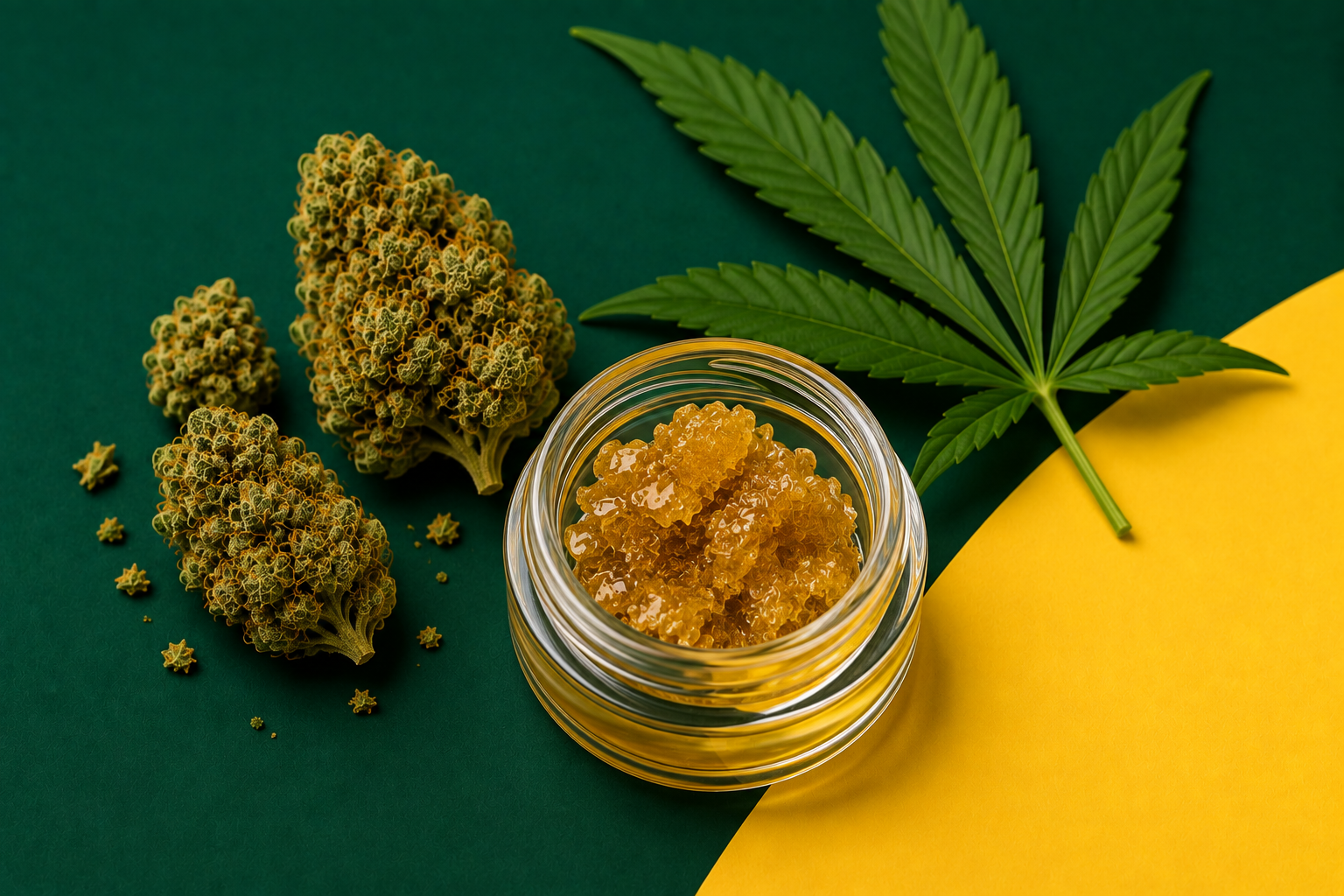
CBD hemp vs THC marijuana is a useful way to frame the core functional difference. Hemp is primarily valued for its CBD content and its industrial applications. Marijuana is cultivated for its THC content and the full-spectrum cannabinoid profile that includes significant concentrations of THC alongside CBD and other compounds.
CBD From Hemp vs CBD From Marijuana: Is There a Difference?
This question comes up constantly, and the chemical answer is no. CBD is CBD regardless of which plant it’s extracted from. A CBD molecule derived from a hemp plant is structurally identical to a CBD molecule derived from a marijuana plant. The compound itself doesn’t change based on its source.
What does change is the regulatory and legal context. CBD extracted from hemp is federally legal across the United States under the 2018 Farm Bill, which is why CBD products derived from hemp appear in mainstream retail environments without restriction. CBD extracted from marijuana plants is subject to the same controlled substance regulations as marijuana itself, even if the CBD content is identical. So when you see CBD products at a pharmacy or online retailer, they’re derived from hemp — not because the CBD is different, but because the legal pathway for hemp-derived products is open in ways that marijuana-derived products aren’t at the federal level.
One reader shared their experience navigating this confusion: “I’d been buying CBD oil at my local health food store for months before I actually understood what hemp was. I thought I was buying something related to dispensary products. Once someone explained the THC threshold to me, the whole system made a lot more sense.”
Can You Tell Hemp and Marijuana Apart by Looking?
In many cases, no. Hemp and marijuana plants can look nearly identical to an untrained eye, especially during the vegetative growth stage. Both produce the characteristic palmate leaves with serrated edges that most people associate with cannabis. Both can grow tall and produce resinous flowers.
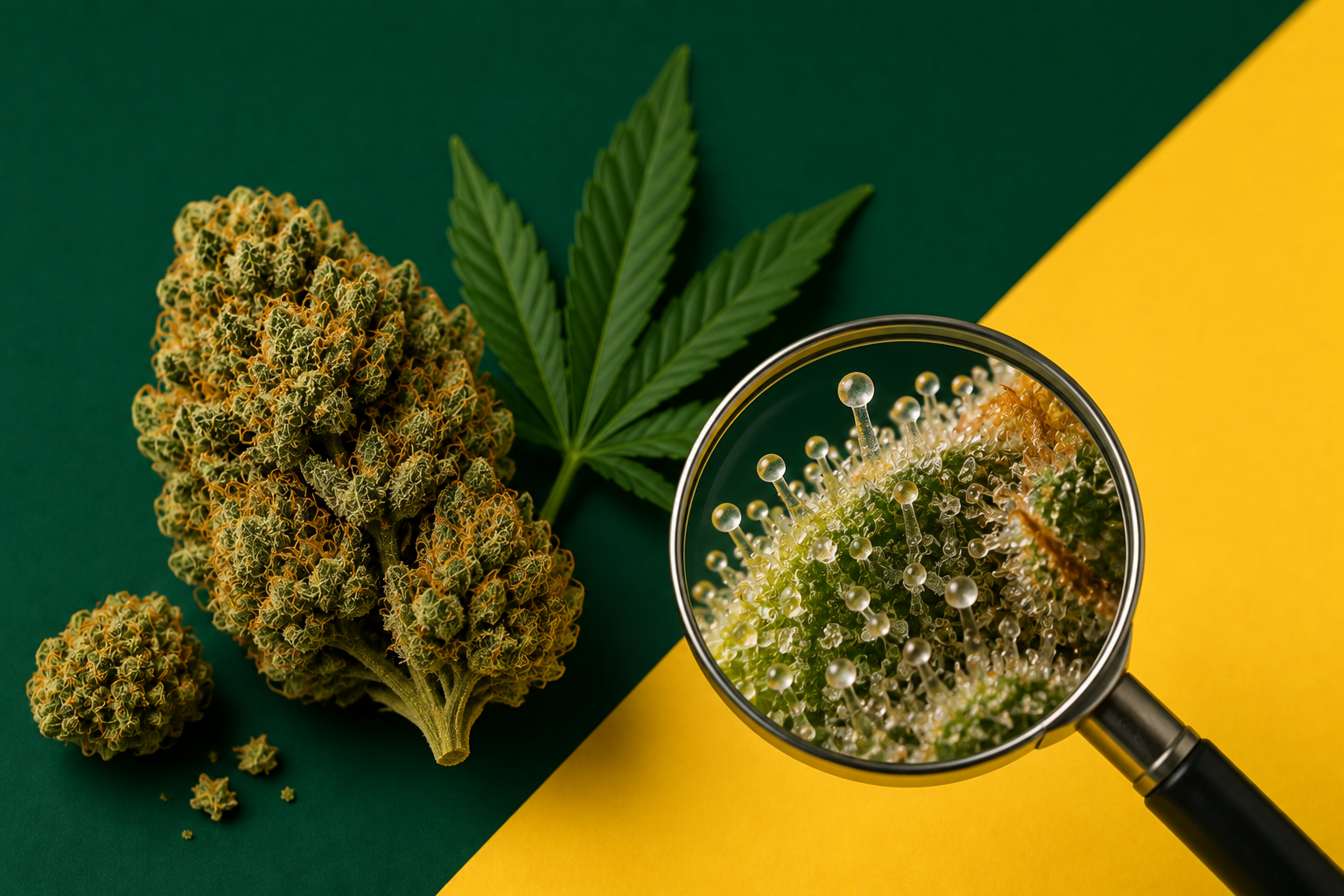
Some general physical tendencies differ between hemp plants bred for fiber production and marijuana plants bred for cannabinoid content. Industrial hemp grown for fiber tends to be tall, with sparse branching and a primary stalk optimized for cellulose yield. Hemp grown for CBD, however, often looks much more like marijuana flower — dense buds, high trichome coverage, and a similar growth structure. Distinguishing between high-CBD hemp flower and marijuana flower without laboratory testing is extremely difficult, which has created real complications for law enforcement in states where marijuana remains illegal.
The reliable way to distinguish hemp vs marijuana is chemical testing, specifically a measurement of THC concentration. Visual identification alone is not dependable, and this ambiguity is part of why hemp regulations typically require certificates of analysis and lab testing at various stages of production.
Hemp vs Marijuana Legality: A Complicated Map
The federal legality of hemp doesn’t mean hemp is universally unrestricted across the United States. While the 2018 Farm Bill removed hemp from the federal Controlled Substances Act, individual states retained the right to regulate hemp production and sales independently. Some states have implemented more restrictive rules than federal law requires, and the regulatory landscape for hemp-derived cannabinoids like delta-8 THC has created additional complexity that continues to evolve.
Marijuana legality operates on an entirely different framework. Marijuana remains federally controlled, though rescheduling efforts are underway and may change its classification. At the state level, a growing number of states have legalized cannabis for medical use, adult use, or both. This creates a situation where the same product can be legally purchased at a licensed dispensary in one state and constitute a criminal offense in a neighboring state.
For consumers navigating this, the practical implication is straightforward: products purchased at a licensed dispensary like The Botanist are subject to state cannabis regulations, tested for potency and purity, and legally distinct from hemp-derived CBD products available through general retail. Both are legal in states with cannabis programs, but they operate under different regulatory frameworks with different testing requirements and different cannabinoid profiles.
What Hemp Is Actually Used For
Hemp’s utility extends far beyond CBD production, and understanding the full range of hemp applications helps clarify why it has its own distinct regulatory category separate from marijuana.
Industrial hemp has been used by humans for thousands of years. The plant’s fibrous stalk produces some of the strongest natural fibers available, historically used for rope, sailcloth, and textiles. Hemp fiber is still used today in textile production, paper manufacturing, and construction materials — specifically hempcrete, a building material made from hemp hurds mixed with lime that offers insulation and carbon-sequestering properties.
Hemp seeds are a significant food and nutritional product. They contain a complete amino acid profile, are rich in omega-3 and omega-6 fatty acids, and appear in products ranging from hemp seed oil to protein powder. Hemp seeds contain negligible THC and are sold freely as food ingredients.
Hemp biomass can also be processed into biofuels and biodegradable plastics, representing a potential industrial alternative to petroleum-based materials. The diversity of hemp’s applications is precisely why agricultural advocates pushed for its federal legalization separate from marijuana — treating them identically under law prevented the development of an entire agricultural and manufacturing sector.
CBD production is the most commercially visible hemp application at the consumer level, but it represents just one dimension of what hemp farming produces.
The Hemp Plant vs Cannabis Plant: Getting the Terminology Right
Part of the confusion around hemp vs marijuana stems from inconsistent use of the word “cannabis.” Technically, cannabis is the genus that includes all varieties of the plant, both hemp and marijuana. When people say “cannabis,” they’re often referring specifically to psychoactive marijuana, but the word itself encompasses hemp as well.
The hemp plant is a cannabis plant. Marijuana is also a cannabis plant. The term “cannabis plant” doesn’t specify which regulatory category a plant falls into. This is why precise language matters: hemp, marijuana, and cannabis all refer to related but distinct concepts, and using them interchangeably produces real confusion.
In the legal cannabis industry, “cannabis” has largely become the preferred term for marijuana-category products, partly to move away from the historically charged term “marijuana” and partly to align with botanical precision. Hemp has retained its own terminology because its regulatory and commercial context is distinct enough to warrant a separate vocabulary.
Is Hemp the Same as Marijuana? A Direct Answer
No. They’re the same species but categorically different products under law, with meaningfully different chemistry, cultivation practices, end uses, and regulatory frameworks. The 0.3% THC threshold is the dividing line, and everything downstream of that distinction — legality, product availability, psychoactivity, commercial application — flows from it.
For a consumer standing in a pharmacy looking at CBD tinctures and then standing in a dispensary looking at cannabis flower, the practical difference is this: the hemp product stays under the legal THC threshold and is available because federal law permits it; the dispensary product contains meaningful THC concentrations and is available because state law permits it within a regulated framework: same plant family, entirely different regulatory and experiential territory.
Knowing that distinction clearly makes navigating both markets significantly easier and gives you a solid foundation for evaluating the growing number of cannabis and hemp products appearing across retail environments.